The majority of reviews test online casinos in ideal settings https://lemon-casino.eu/en-ca/. That doesn’t reflect real life. I set out to see what happens when you try to play from a countryside location or on a congested connection here in Canada. So, I intentionally put Lemon Casino under scrutiny on a low-speed network. I wasn’t just checking whether the site loaded. I wanted to see if it stayed usable when my bandwidth was choked. I clocked page loads, tried to log in, tested live dealer streams, and even completed a withdrawal. This is a practical review at how the casino deals with the sort of network many Canadians actually live with. The results show where it shines and where you’ll require patience.
The Slow Connection Testing Approach
To get consistent results, I created a controlled test environment. I used network throttling tools to cap my connection at 1 Mbps download and 0.5 Mbps upload. That speed mimics a bad 3G signal or a rather tired DSL line. It’s well below what most Canadian broadband delivers. I ran tests on a Windows laptop, an Android phone, and an iPhone. The browsers were Chrome and Safari, and I also used the official Lemon Casino mobile app. Every session was clocked. I watched for errors, noting how images loaded, if scripts stalled, and when streams broke up. Testing happened at various times of day to factor in server load. The goal was a balanced, rounded picture of performance.
Setting the Key Performance Metrics
I judged the experience on four practical points. Initial load time: how long before I could actually click on something? Authentication reliability: would the login form timeout? Game launch integrity: could a slot machine load its essentials without freezing solid? In-play continuity: once a game was running, would it stay stable, or would my clicks get lost? These metrics go deeper than a simple speed test. They gauge whether you can actually use the casino when your network is poor. For platform engineers, this is the actual challenge.
Starting Site Access and Navigation Experience
The primary challenge was just getting in the door. On my throttled connection, the Lemon Casino homepage took between 8 and 12 seconds to become usable. The site utilized progressive loading well. The main menu, login box, and key banners loaded first. I could commence navigating while the fancy background graphics loaded afterward. Scrolling the game lobby was interesting. Game titles and text appeared immediately, but the thumbnails started blurry and then sharpened. This is lazy loading, and it’s a lifesaver on a slow line. I could even search for games by name without waiting for every single image to resolve. That’s a smart design choice.
Sign-in and Account Management Under Strain
Getting into my account was a real test. The login itself, a tiny burst of data, processed without a hiccup. The problem involved the account dashboard. Loading my transaction history, bonus details, and settings was far more sluggish. Those data-heavy sections took a while to populate. Checking my verification status or visiting the cashier operated, but I had to wait. The interface never crashed, but it dragged. It demonstrates how important a lean back-end is. My advice? If your connection is poor, keep your heavy account admin for later or for a better network. For actually playing games, you just need to allocate a little extra time upfront.
Gameplay Performance: Slots and Tabletop Games
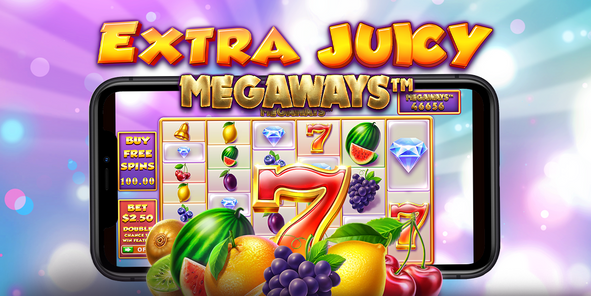
This is where it counted. I loaded popular slots from NetEnt and Pragmatic Play. The first load was the major obstacle. For visually demanding titles, I saw load times of 20 to 30 seconds. But once a game was loaded, things got surprisingly smooth. The client had stored the important stuff. Each spin result is just a minuscule bit of data, so gameplay felt responsive. Classic digital table games like blackjack and roulette did even better. Their simpler graphics loaded faster. The delay between clicking “hit” and seeing the card was barely noticeable. The lesson is clear: after you get over that initial loading hump, playing slots and table games on a slow connection is not just possible, it can be perfectly fine.
The Real-Time Dealer Hurdle
Live casino games are the biggest challenge for slow internet. They require a constant video stream. As expected, this was the most difficult aspect. Joining a live blackjack table on my 1 Mbps connection usually meant buffering, a blurry video, or stuttering sound. The connection usually held, but the experience was frustrating and could disrupt your game rhythm. Some provider studios loaded a bit more rapidly than others. If your internet is consistently slow, I’d be wary with live dealer games. They’re better kept for a stronger signal. The digital RNG table games offer the same rules with no video stream, making them a much smarter choice when your bandwidth is limited.
Payment Processing and User Help
Payment issues have to operate, no matter your connection. I tried deposits and withdrawals on the slow line. Starting a deposit with Interac or a credit card was simple. These forms transmit a small packet of data, and the confirmation was received with only a slight delay. Withdrawal requests were the same. Making the request was no problem. The actual processing time after that is based on the casino’s internal checks, not your internet speed. Utilizing the live chat support had a small lag when sending messages, but the connection stayed up. The FAQ and help sections, being mostly text, displayed almost instantly. When you’re on a poor connection, the help articles are your quickest path to a solution.
Performance Advice for Playing on a Slow Connection
Following all these tests, I have some concrete tips for using Lemon Casino on a poor connection. Tip one, try the mobile app rather than a browser if you can. Native apps often deal with caching and resources more efficiently. Second, utilize the search bar in the lobby to find a game quickly. Avoid scrolling through rows of graphical tiles. Tip three, once you load a game, enjoy a longer session. You avoid the tedious initial loading over and over. Fourth, shut down other apps that eat bandwidth. That means closing your streaming video, pausing cloud backups, and halting large downloads. Five, attempt playing during off-peak hours in your region. Lower overall network congestion can allow your limited connection feel a bit more consistent.
Technical Features That Helped
A few clever design decisions at Lemon Casino helped soften the blow of my slow connection. Lazy loading for images was the star of the show. Optimized data methods for game results kept the action smooth after the initial wait. The responsive design meant the interface remained intact on different devices, even during a slow load. The platform also focused on functional code over flashy animations. No website can magic away the need for bandwidth, but these optimizations show the developers designed for users on different quality connections. It makes the core service usable to more players, whether they are in downtown Toronto or a cabin up north.
Final Verdict on Operation and Stability
Thus, does it work? Yes. Lemon Casino stands much better than I anticipated on poor internet. You must face sacrifices. Prepare for lengthy initial loads, a choppy live dealer experience, and a general sluggishness in the menus. But the essential function—playing games—stays intact. Modern web tech means that once you’re in a slot or table game, it works reliably. For Canadians managing inconsistent rural service or limited data plans, Lemon Casino is a dependable option. You can access your account, manage your account, try a wide range of slots and digital table games, and shift money around. Just keep your standards in line for those loading screens, and possibly save the live casino for a day when your signal is stable.